Pressure Washing Dulwich: Recycling and Sustainability Commitment
 At Pressure Washing Dulwich we take an active role in creating an eco-friendly waste disposal area across every job. Our Dulwich pressure washing services combine high performance cleaning with a robust sustainability policy: onsite segregation of waste, water containment and treatment, and careful downstream recycling. We describe our approach here so clients and neighbours understand how pressure washing in Dulwich can be both effective and environmentally responsible. Our aim is to make the sustainable rubbish area a standard part of every service.
The work we do aligns with the broader London Borough of Southwark approach to waste separation and re-use. The borough encourages separation of glass, paper and card, tins and cans, mixed plastics and food waste; we mirror that approach on-site where possible. When operating in Dulwich and neighbouring boroughs we follow local kerbside rules and take extra steps—pre-sorting materials into dedicated containers, labelling waste streams, and ensuring hazardous residues are handled appropriately.
 Our measurable targets are clear: we aim to achieve a 75% recycling rate for non-hazardous waste from pressure wash jobs by the end of the next fiscal year, and a 90% reuse or recycling rate for recoverable materials within two years. To reach that goal we use a practical toolkit:
- Segregated bins for glass, metal, plastics and general refuse.
- Silt and sediment capture units to separate solids from washwater.
- Onsite checks to direct reusable items to donation and re-use streams.
Local Transfer Stations and Responsible Disposal
When recycling or disposal offsite is required we route materials to local transfer stations and specially licensed household recycling centres serving Southwark and neighbouring boroughs. We coordinate with transfer facilities that accept segregated construction and organic waste, ensuring waste is not mixed at the tipping stage. Our logistics team documents chains of custody for larger clearances so that the sustainable rubbish area practices we apply are traceable and auditable.
 Partnerships with charities and re-use organisations are a cornerstone of our reuse-first strategy. We regularly liaise with local community groups and social enterprises to donate usable items, and we prioritise rehoming materials through third-sector partners rather than sending them to landfill. Examples include working with furniture-reuse charities, community gardening projects that welcome topsoils and aggregates, and local repair workshops that can refurbish salvageable fixtures.
To support pressure wash projects in Dulwich and surrounding streets we maintain a list of approved charity partners and approved transfer stations. These relationships shorten the route between job site and re-use, reduce handling, and lower emissions by minimising repeated collections. All partners are vetted for adherence to local environmental standards and for transparent waste reporting.
Low-Carbon Vans, Water Recycling and Site Controls
 Our service fleet is transitioning to low-carbon vans to reduce the carbon footprint of every job. We operate a mix of electric vans, plug-in hybrids and Euro 6 low-emission diesel vehicles where EV alternatives are not yet practical. Vehicle routes are optimised to reduce mileage, and crews are trained in eco-driving techniques. The result is cleaner streets and a smaller transport-related impact from Dulwich pressure washing operations.
We invest in closed-loop water recycling systems and sediment separators so that washwater can be treated and reused on site whenever feasible. This minimises the need to discharge to sewers and protects the local drainage and river systems. Hazardous residues, oils and chemical concentrates are segregated and handed to licensed waste carriers; non-hazardous solids are sent to recycling streams or charity partners for reuse.
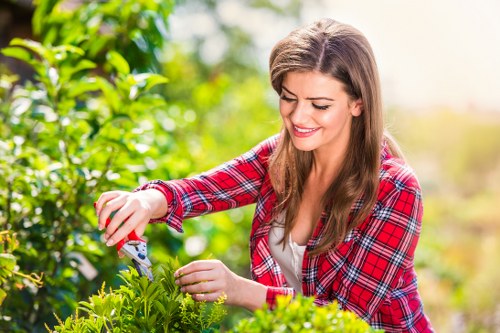 Our practical sustainable rubbish area includes labelled storage zones, spill kits, and clear operational checklists for every job. We train all operatives in waste separation, recording of recycled tonnage, and in the proper packaging of materials destined for donation. Zero avoidable waste is an aspiration; in practice we focus on continuous improvement, monthly reporting against our recycling percentage target, and collaborative work with the community to make pressure washing in Dulwich as green as possible.
The local emphasis on separation of wet and dry streams influences how we run clean-ups. For example, vegetative cuttings and garden waste are kept separate from building debris; glass and cans are captured and routed to local recycling points; textiles and salvageable fixtures are earmarked for charity partners. By aligning our operations with borough guidance we ensure that Dulwich pressure washing projects reinforce municipal recycling systems rather than undermine them.
Beyond collections we support community education and offer demonstrations (without formal guides) on how to set up a sustainable rubbish area at home or on multi-occupancy properties. Our teams highlight small, actionable steps—reduce single-use plastics, consolidate deliveries to reduce vehicle trips, and separate recoverable materials at source—to help neighbours extend green practice beyond the cleaning event.
In summary, Pressure Washing Dulwich and our local variants of pressure washing in Dulwich are built around a simple promise: maximise reuse, reach ambitious recycling percentage targets, and run low-carbon, responsibly-managed operations. We commit to transparent reporting, continued partnership with local transfer stations and charities, and gradual fleet decarbonisation to ensure an environmentally positive footprint for every job in Dulwich.